A Vegetable Frittata: Prepare the Filling and Check the Egg Dish’s Centre
A frittata combines eggs with prepared additions, but a browned surface does not show that the centre is ready. Use a suitable verified frittata method for the actual pan and filling. This guide organizes ingredients and checks without inventing a universal oven time.
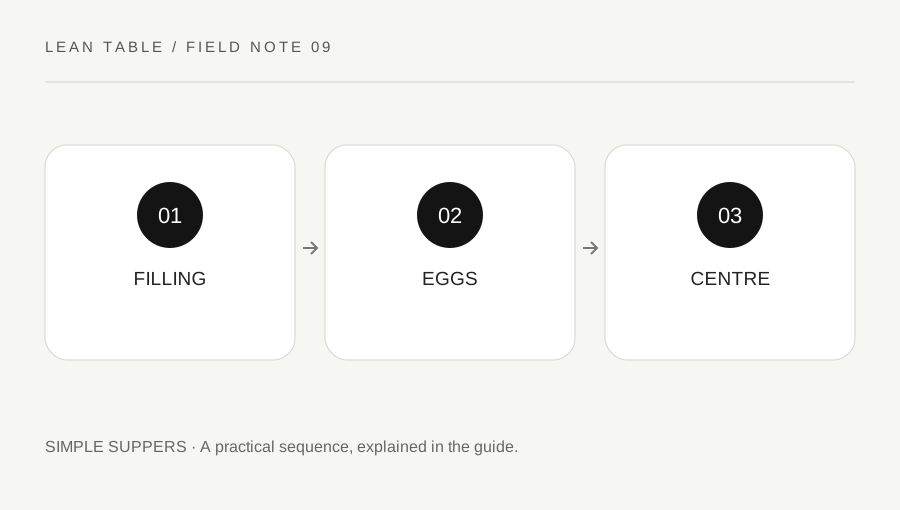
Original explanatory diagram. Examples illustrate a method or decision; they are not claims of personal testing.
Choose a supported pan and method
Find a suitable verified recipe whose pan, quantity and cooking method you can follow. Confirm that any pan placed in the oven is appropriate for that use, including its handle. A stovetop-only pan is not made oven-safe by a short cooking time.
For a two-person meal idea, the recipe can combine eggs with prepared vegetables and an optional suitable cheese. Use the source's quantities rather than scaling a deep dish by eye. Egg, dairy and other ingredient labels matter for dietary needs.
Prepare additions before the egg stage
Follow the recipe's instructions for cooking or otherwise preparing vegetables. Wet or raw additions can change the mixture, so do not assume every leftover or frozen vegetable can be added unchanged. Frozen products need their specified preparation.
If using safely stored cooked vegetables, account for their reheating needs within the chosen method. Keep ready-to-eat additions and serving plates separate from raw egg contact. Clean hands, bowls and utensils remain important even when the dish has only a few ingredients.
Mix and cook through the verified sequence
Measure the eggs and other ingredients according to the recipe, combine as directed and use the intended pan depth. Do not add extra filling until the pan is packed simply because it seems convenient. That changes the process and can affect the centre.
FoodSafety.gov lists 160°F or 71°C for egg dishes such as frittata or quiche. Follow the appropriate guidance for the actual dish, including any different requirement introduced by meat, poultry or a casserole classification. Use a suitable thermometer rather than relying on surface colour.
Check and serve cleanly
Measure representative appropriate centre locations according to the thermometer and recipe guidance. Avoid touching the hot pan and mistaking that reading for the food. If the required endpoint is not reached, continue through the supported method and check again.
Use clean serving equipment and safe hot-pan handling. A suitable side such as prepared salad or bread can be assembled separately. Keep portions adaptable to appetite and the meal rather than presenting one slice size as a universal nutrition target.
Keep a pan-and-filling record
After actual preparation, note the source recipe, pan and prepared filling. If the result changes with another pan or larger amount, do not attribute everything to the eggs. The vessel and mixture depth are part of the method.
Cool and refrigerate perishable leftovers promptly under official guidance, and reheat appropriately if used later. Do not use a firm-looking surface as evidence of safe storage. A useful record connects the meal to its actual equipment and checks, making the next preparation easier to understand.
Keep the pan dimensions and filling quantity with the recipe source. A deeper mixture can make a different checking problem even if the surface colour looks familiar. Follow the thermometer's sensing-area instructions and measure an appropriate food location rather than the vessel. If you change the pan, obtain supported guidance before assuming the old time applies. After actual preparation, note whether the vegetable addition was freshly cooked or a safe refrigerated component, and keep that distinction for a repeat. The practical record should show the method that was used, not an invented test result added later to make an illustrative plan appear validated.
A practical checklist
Choices are saved in this browser. Reset them here or clear this site’s browser storage.
Questions that come up
Does a browned top prove the centre is cooked?
No. Use an appropriate food thermometer and the guidance for the actual dish.
Can every frying pan go in the oven?
No. Check the entire pan’s specification, including handles and coatings, before using an oven method.
Can I add unlimited leftover vegetables?
No. Follow the supported quantity and preparation. Changing filling amount and depth can change the process.
References & scope
Background references checked on 18 October 2026. Worked examples and diagrams are original teaching material.