Sardine and Tomato Pasta: Prepare the Sauce Before the Final Toss
Ready-to-eat canned sardines can join a tomato pasta without pretending every canned fish product is identical. Read the label, check dietary needs and prepare the sauce before combining it with pasta. The quantities illustrate two portions and do not establish a tested recipe.
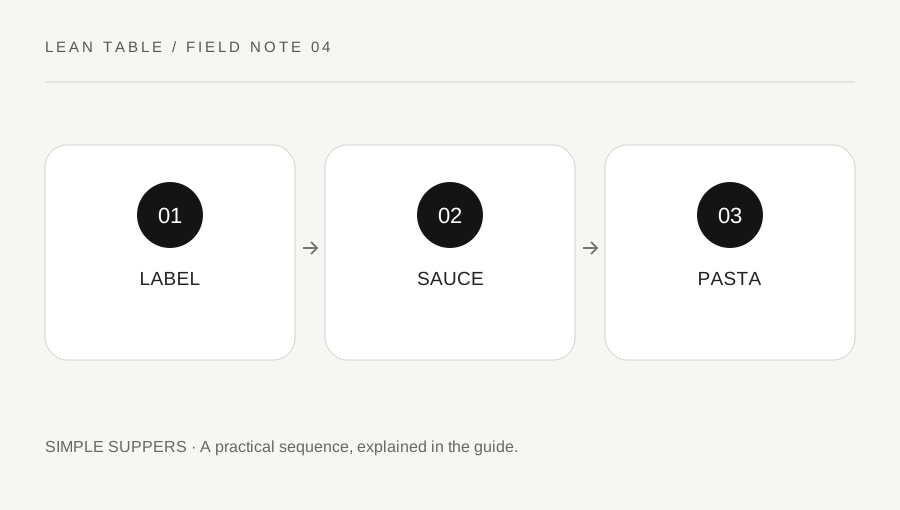
Original explanatory diagram. Examples illustrate a method or decision; they are not claims of personal testing.
Check the fish and pasta products
Choose an intact commercially canned food product and follow its opening and storage instructions. Check whether the sardines are ready to eat and whether the packing liquid or added ingredients suit the meal. Fish is an allergen, and the pasta or sauce can introduce others.
For two example portions, consider about 150 grams drained sardines, 300 grams tomato sauce and a pasta amount appropriate to appetite and the package's portion guidance. These quantities are a starting assembly framework, not a nutritional prescription. Follow individual advice for any dietary or medical restriction.
Prepare a suitable tomato component
Use a sauce prepared through a suitable recipe or a packaged product heated according to its instructions. If using fresh tomatoes, prepare them under FDA produce guidance and use a supported sauce method. Do not assume every raw or canned tomato product follows the same preparation process.
Keep utensils and surfaces clean, especially when other raw foods are being prepared nearby. If the sauce is a refrigerated leftover, confirm its safe history and reheat to the applicable endpoint. The canned fish's ready-to-eat status does not make an uncertain sauce safe.
Cook the pasta by its package
Follow the actual pasta instructions and use appropriate cookware and safe hot-water handling. Keep any standing or draining guidance. A different pasta shape or ingredient base may need a different process, so do not use one universal timer.
Have the sauce ready when the pasta is prepared. Combine the components through a suitable method, adding the sardines gently if you want some pieces to remain visible. Do not use prolonged rough stirring solely to make the dish look uniform; a flaked texture can be a deliberate result.
Adjust at the serving stage
Taste only food that is ready to eat, using a clean utensil. A suitable herb, lemon or other preferred finish can be added if it fits dietary needs. Canned fish and sauces can already contain seasoning, so inspect the actual product before adding more automatically.
For a worked plate, divide the pasta and sauce into two approximate shares, keeping the amount flexible for the actual meal. This guide does not call the dish low-salt, high-protein or weight-loss-friendly without reliable product and portion analysis.
Keep the remaining food’s history clear
Store opened fish and prepared pasta or sauce according to product and official guidance. Refrigerate perishable leftovers promptly in suitable containers. Do not leave a finished pan at room temperature simply because the ingredients began in shelf-stable packages.
Record the products and pasta shape after a real preparation if you want to repeat it. Keep observations separate from the illustrative plan. The useful sequence is label check, prepared sauce, package-cooked pasta and clean final assembly, without invented personal testing or a guaranteed result across brands.
Write whether the chosen sardines were packed in oil, water or a prepared sauce, since that affects the assembly you are actually making. Read the product's instructions for any packing liquid you retain or discard. Do not assume a replacement brand has the same ingredients or seasoning. Keep the tomato sauce amount and pasta shape in the note so a later texture comparison is meaningful. If the sauce overwhelms the pasta, reduce the final addition in a future suitable assembly rather than claiming the fish itself was the only cause. These details make a simple meal easier to repeat while keeping product differences visible.
A practical checklist
Choices are saved in this browser. Reset them here or clear this site’s browser storage.
Questions that come up
Does shelf-stable packaging make the finished dish shelf-stable?
No. Once opened and prepared, components and leftovers need their appropriate handling and refrigeration.
Can every canned fish product be substituted automatically?
Check its ready-to-eat status, ingredients, packing liquid and relevant dietary guidance. Products are not identical.
Are the example portions a nutrient claim?
No. Nutrition depends on actual products and amounts. This guide provides an assembly idea without unverified health or weight-loss claims.
References & scope
Background references checked on 18 October 2026. Worked examples and diagrams are original teaching material.