Cottage Cheese, Tomato and Toast: Assemble a Cool Plate Close to Eating
A cool plate can be useful when the ingredients are ready to eat and properly refrigerated. Combine a suitable cottage cheese product, prepared tomatoes and bread near service. Keep the dairy’s label and storage requirements central rather than treating a no-cook meal as a no-handling meal.
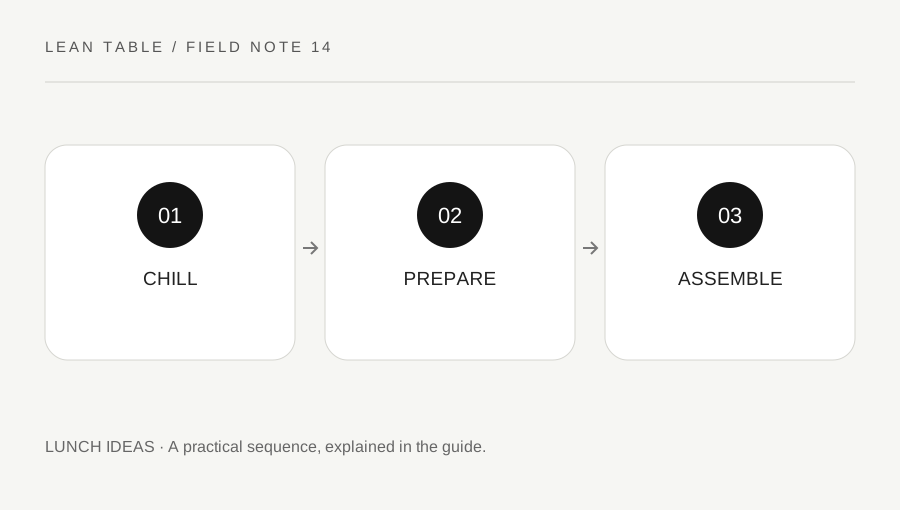
Original explanatory diagram. Examples illustrate a method or decision; they are not claims of personal testing.
Read the dairy product information
Choose a cottage cheese product suitable for the people eating and follow its use-by and storage instructions. Check pasteurization and relevant advice for anyone with particular dietary or health needs. Milk is an allergen, while bread and optional toppings can introduce others.
For two illustrative portions, consider about 250 grams cottage cheese, 300 grams tomatoes and a bread amount suited to appetite. These are adjustable assembly quantities, not a nutrient prescription. Do not describe the plate as low-salt, high-protein or weight-loss-friendly without reliable product and portion analysis.
Prepare tomatoes safely
Follow FDA produce guidance for fresh tomatoes, using clean hands, utensils and a suitable cutting surface. Keep them separate from raw meat or egg contact. A ready-to-eat product should be handled according to its own label rather than automatically reprocessed.
Choose a cut that is manageable for the plate or toast. Very juicy pieces can be served alongside the bread instead of piled high. The goal is practical assembly and the texture you prefer, not a claim that one tomato variety is required.
Toast or prepare bread separately
Use the bread's appropriate serving or appliance method. Keep dairy and wet toppings out of a slot toaster. Place prepared bread on clean plates and add the cool components only at the intended serving stage.
If you prefer the cottage cheese and tomatoes beside the toast, keep them separate on the plate. This can make the meal easier to manage than a heavily loaded slice. A suitable herb or other finishing ingredient is optional after checking actual dietary needs.
Keep the cool components cold
Take out only the amount needed and return the remaining dairy promptly to its required refrigeration. Use a clean serving utensil rather than repeatedly dipping a used spoon into the main container. Do not leave the whole package out while preparing another long task.
For a later lunch, use appropriate cold storage and transport rather than assuming a cool dish can remain at room temperature all day. Follow current official time and temperature guidance. A mild smell or familiar appearance does not establish safe handling history.
Build a repeatable plate note
After actual assembly, note the dairy product, tomato cut and whether bread was served topped or alongside. Record practical preference without inventing a personal test before making the meal. Another product can have a different texture and seasoning.
Store remaining perishable components promptly and follow their relevant limits. This original idea focuses on a simple ready-to-eat plate with a clear refrigeration plan. It does not promise medical benefits or a precise calorie total, and it leaves portions adaptable to the actual person's needs and meal context.
For a later lunch, separate the plan into cold components, bread and final assembly. Use suitable refrigeration and transport for the dairy and prepared produce, with actual product instructions and official limits. Do not pack the main dairy container with a used spoon and assume the remaining amount has an unchanged handling history. Take a clean portion and return the rest promptly. At service, decide whether topping the toast or keeping the components alongside suits the bread's strength and tomato moisture. A simple written plate formula can preserve that practical preference without claiming a precise nutrient result from approximate household quantities.
A practical checklist
Choices are saved in this browser. Reset them here or clear this site’s browser storage.
Questions that come up
Does no-cook mean refrigeration is unnecessary?
No. Perishable ready-to-eat ingredients still need their required temperature control and handling.
Can I label the plate high-protein automatically?
Use reliable product and portion data before making nutrition claims. This guide does not assign an unverified label.
Can tomatoes and dairy be toasted inside a slot toaster?
Do not use a slot toaster for wet topped assemblies. Prepare bread separately using the appliance’s intended method.
References & scope
Background references checked on 18 October 2026. Worked examples and diagrams are original teaching material.